
Review · MANAUS
Manaus to Santarém: 36-Hour Ferry on the Amazon
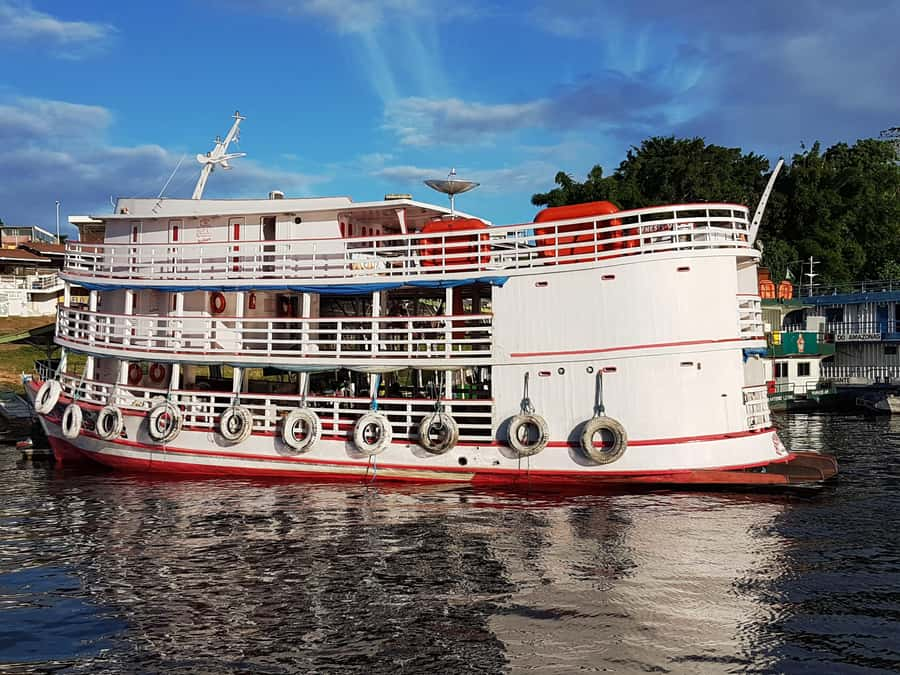
The most memorable part of this trip is also the simplest: you spend 36 hours on the Amazon, watching forest, water, and distant river traffic slide past from a working passenger boat. This is not a polished jungle cruise. It is how many people get around this enormous part of Brazil.
I like the local feel and the low cost compared with a multi-day expedition boat. I also like the choice between a hammock and a private cabin, plus hotel pickup in Manaus and an optional ride onward to Alter do Chão. The main drawback is comfort: conditions can be basic, the boat may carry more than 1,000 people, and the upper deck can get very loud.
Key points to know before boarding
- A real transportation ferry: You are using a practical river service, not joining a guided wildlife cruise.
- Two sleeping styles: Choose a hammock berth or a private two-person cabin with air-conditioning and a bathroom.
- Food costs extra: Plan on about $15 per day for breakfast, lunch, and dinner, and carry cash for drinks.
- The boat can be enormous: One recent sailing had more than 1,000 passengers, with hammocks spread across the decks.
- Santarém is not always the final stop: You can arrange a transfer from the port to Alter do Chão.
- River time is real: Delays can happen, and phone service or internet may be absent for most of the crossing.
What this Amazon ferry trip really is
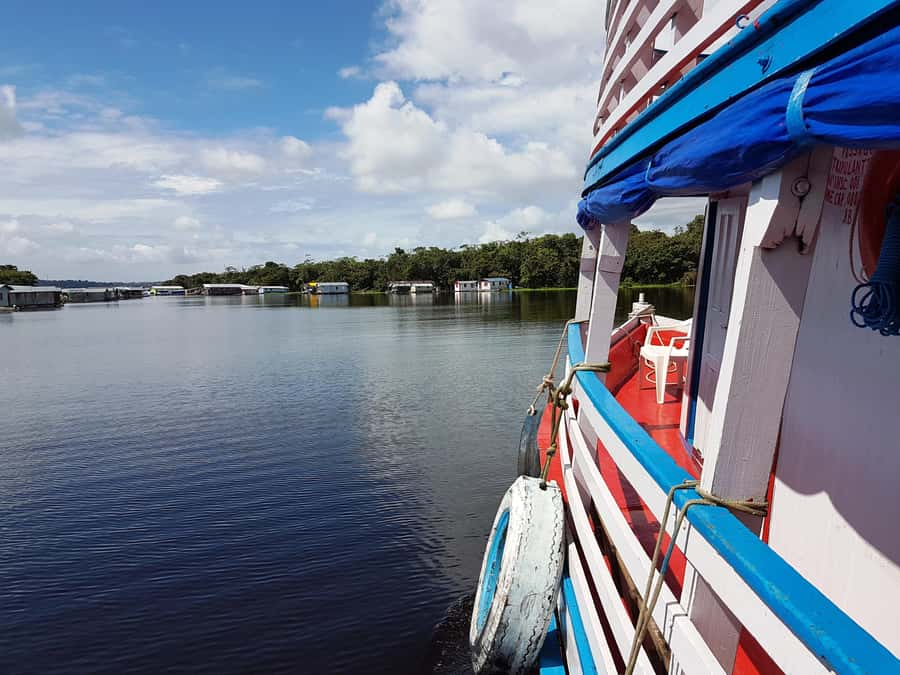
This journey connects Manaus and Santarém by river, covering a long stretch of the Amazon in about 36 hours. You are not being taken deep into the rainforest by a small canoe. You are riding a large passenger ferry used for transport, cargo, and everyday movement between river towns.
That difference matters. If you want guided wildlife spotting, forest walks, or a small boat with a naturalist, this is the wrong product. If you want to see how people actually travel on the Amazon and have time to watch the river from a deck, it offers something more grounded and less staged.
The price is about $140 per person. That is reasonable for a long-distance trip that includes hotel pickup in Manaus and your chosen sleeping arrangement, but it is not the full cost of the journey. Meals and drinks are separate, and the optional transfer from Santarém to Alter do Chão costs extra.
More Ferry Trips in the world:
- New York City: Statue of Liberty & Ellis Island with Ferry
★ 4.6 · 18,683 reviews - All Inclusive Blue Mountain,Scenic World,Lunch,Koalas,ferry
★ 5.0 · 7,832 reviews - Muir Woods and Sausalito (Return by Bus or Ferry)
★ 4.5 · 5,098 reviews
Leaving Manaus and reaching the port
The day starts with pickup from your hotel in Manaus. The organizer takes you to the port and helps with the boarding process. This support is useful because a major river terminal can be confusing, especially if you do not speak Portuguese or have never used a Brazilian ferry.
The boat may not match the small, charming vessel shown in promotional images. Prepare for a large working ship with open decks, many hammocks, and a steady flow of passengers. One sailing carried more than 1,000 people, so you should think of this as a river bus with sleeping space rather than a boutique cruise.
Bring your passport or ID card. Police checks can happen on board, and passengers may have their documents and bags inspected. This is a normal practical detail of the journey, but it is one more reason to keep your passport accessible and your valuables close.
Do not expect a perfectly timed departure. Boats operate on river time, and delays are part of the experience. Hotel pickup and port assistance make the process easier, but they cannot guarantee that the boat will leave or arrive exactly on schedule.
Choosing between a hammock and a cabin
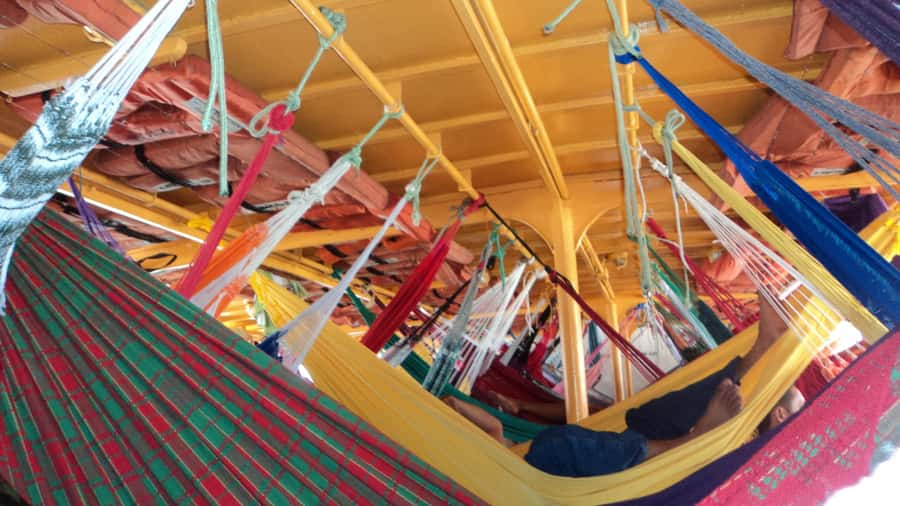
The hammock option is the most local and budget-friendly choice. You either bring your own hammock and ropes or arrange to buy them as an add-on during booking. Once on board, you find a place among many other hammocks and settle in for the crossing.
A hammock berth gives you the strongest sense of how people use these boats. It also means less privacy, more background noise, and limited personal space. Bring a towel, insect repellent, water, and a sleeping bag if you want extra comfort. The supplied packing advice also recommends carrying food and drinks, even though meals can be bought on board.
The private option is a two-person cabin with air-conditioning and a private bathroom. For a long crossing, that can make a major difference. You have somewhere to close the door, store a few things, and escape the noise of the open decks.
I would confirm the exact cabin arrangement before paying, especially if you are booking for three people. A reported booking for three resulted in a small cabin with two beds, with a suggestion to place a hammock outside the cabin. That is not the same product as a private three-person room, so check the occupancy and bed count in writing.
The cabin is still not a luxury hotel room. One poor experience described a very dirty cabin, while other passengers found their cabins comfortable enough. Standards can vary, so the upgrade buys privacy and air-conditioning, not a guaranteed polished finish.
Life on board during the 36 hours
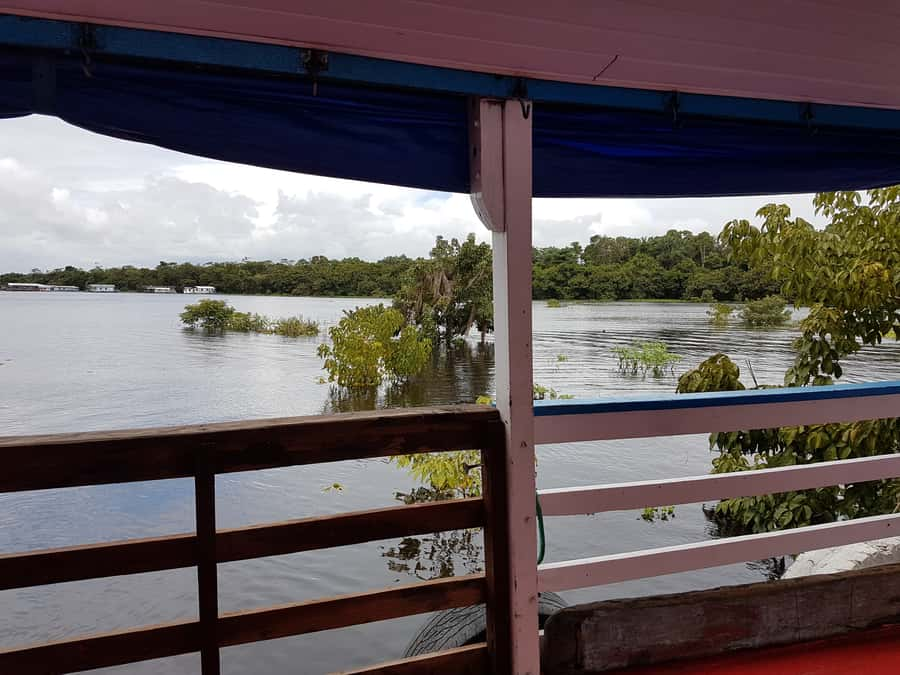
The main activity is watching the Amazon pass by. The river is so wide that it can feel more like open water than a normal river, with forest on the edges and long stretches of little visible change. You might see unusual plant life, river traffic, and distant settlements, but this is not a scheduled wildlife program.
Use the upper deck as your main viewing area, but check the sound level before settling in. On one sailing, loud music made it difficult to talk. That may suit you at times, especially if you want a lively Brazilian boat atmosphere, but it can become tiring during a 36-hour passage.
The boat gives you a rare chance to simply watch a huge river system at work. You can read, sleep, photograph the changing light, or sit with a drink and let the hours pass. I like this slower rhythm, but you need to bring your own patience. There is no promise of a full program of entertainment or guided commentary.
The atmosphere can be social and crowded. Hammocks may be packed close together, and common areas can fill quickly. If you are sensitive to noise or need personal space, a cabin is worth considering. If you enjoy shared transport and want the most affordable berth, the hammock can be perfectly workable.
Internet access and mobile phone signal are expected to be unavailable for most of the crossing. Treat that as part of the trip. Download anything you need before leaving Manaus, tell people you may be offline, and carry an offline copy of your onward plans.
Same harbour, another way to spend the day:
- Blue Mountains Small-Group Tour from Sydney with Scenic World,Sydney Zoo & Ferry
★ 5.0 · 3,709 reviews - Fort Sumter Admission and Self-Guided Tour with Roundtrip Ferry
★ 4.5 · 3,343 reviews - Waiheke Island: Ferry & Hop-On Hop-Off Explorer Bus Tickets
★ 4.6 · 3,311 reviews - Corralejo: Return Ferry Ticket to Lobos Island Fuerteventura
★ 4.7 · 3,098 reviews
Meals, drinks, and daily expenses
Meals are not included. The practical estimate is about $15 per day for breakfast, lunch, and dinner, so budget around $30 for the full crossing, plus drinks and snacks.
On one sailing, breakfast began around 5 a.m., lunch was served around noon, and dinner started around 6 p.m. Times may vary, but the early breakfast is worth noting. If you prefer to wake later, carry something simple for the morning.
Bring cash. The instructions specifically advise cash for food and drinks on board, and card payments may not be dependable on a working river ferry. Carry drinking water, snacks, and any food you know you will want. The boat may sell meals, but you should not rely on it for every personal preference.
A towel and sleeping bag are useful for either sleeping arrangement. Insect repellent is sensible, especially if you spend time on open decks. Keep your documents, cash, phone, and other valuables in a small bag that stays with you rather than in shared luggage.
Arriving at Santarém
After roughly 36 hours, the ferry arrives at Santarém. The boat ride ends at the port, not at your hotel, so you need a plan for the final part of the journey.
Hotel drop-off in Santarém is not included. If you are staying in town, arrange your own onward transport. If you are continuing to Alter do Chão, you can select the optional port transfer when booking. That is a useful add-on because it removes one transport decision after a long night on the boat.
Do not count on Uber at the port. A passenger found that Uber did not work there and needed to ask for a taxi. Keep cash available and know the name and address of your accommodation before you arrive.
The Alter do Chão transfer is particularly useful if that is your next base. It lets you finish the long river connection without having to negotiate a new ride while tired and carrying luggage. Still, confirm exactly where the driver will meet you, since a busy port is not the place to search through messages with weak phone service.
Is $140 good value?
For a 36-hour river crossing, $140 is fair if you value the transport and the experience together. The cost includes hotel pickup in Manaus and either hammock accommodation or, if selected, a private cabin with air-conditioning and a bathroom. It does not include meals, drinks, Santarém hotel drop-off, or the optional ride to Alter do Chão.
The value depends heavily on your sleeping choice. A hammock keeps the price down and matches the normal local style, but it gives you less privacy and comfort. A cabin costs more, yet it can be worthwhile for anyone who needs air-conditioning, a private bathroom, or a quieter place to rest.
Do not compare this fare with a sightseeing cruise that includes excursions and meals. Compare it with the cost of getting from Manaus to Santarém while spending a full day and night on the Amazon. On that basis, it is a practical deal, provided you accept the basic conditions.
The mixed comfort reports make it important to keep expectations realistic. The organization can work very well, with hotel pickup, help boarding, and an onward driver waiting at Santarém. The physical conditions on the boat can still be spartan, and cabin quality may not be consistent.
Who should choose this crossing?
I would recommend it to independent visitors who want authentic river transport rather than a packaged jungle program. It suits people who can sleep in a hammock, tolerate noise, and enjoy watching the river without needing a busy schedule.
It is also a good option for a solo passenger who wants a long, direct connection between Manaus and Santarém. One solo woman found the boat safe, including during a military police inspection, and felt comfortable throughout the passage. That does not remove the need for normal care with valuables, but it is encouraging if you are considering the trip alone.
Choose the cabin if you value privacy, need air-conditioning, or are unsure about sleeping in a crowded hammock area. Confirm the number of beds and the room size before booking, particularly for three people.
This is not a good fit for someone seeking easy access, medical support, or a quiet luxury setting. The activity is not suitable for pregnant women, wheelchair users, people with mobility impairments, heart problems, or respiratory issues. The long duration, stairs, crowding, and basic facilities can be demanding.
How to prepare for the boat
Pack light enough to keep your important things nearby, but bring the items that make 36 hours easier:
- Passport or ID card
- Towel and sleeping bag
- Hammock and ropes, if you are using your own
- Water and snacks
- Cash for meals and drinks
- Insect repellent
- Phone charger and downloaded entertainment
- A small bag for valuables
Wear practical clothes and keep a layer handy for air-conditioned spaces. The boat environment changes between open decks, shared sleeping areas, and enclosed rooms. You will be happier with simple gear than with a heavy suitcase.
Arrive ready for a long stretch without internet. Tell family or friends when you expect to lose signal, and do not plan important online tasks during the crossing. Keep your arrival details written down, especially if you need a taxi in Santarém.
Should you book the Manaus to Santarém ferry?
Book it if your goal is to travel the Amazon in the same basic way many local passengers do, see the river over a full day and night, and keep costs below those of a dedicated cruise. The hotel pickup, cabin or hammock choice, and optional Alter do Chão transfer make the route easier to arrange.
Skip it if you want a small boat, guided animal sightings, polished cabins, included meals, or a quiet schedule. The strongest part is the scale and the local transport experience. The weakest parts are crowding, noise, uncertain timing, and uneven cabin comfort.
For most people, I would choose the private cabin if the budget allows, then carry cash, snacks, water, and a towel anyway. If you accept that this is transportation first and sightseeing second, the 36-hour passage can be a memorable and useful way to cross the Amazon.
FAQ
How long is the ferry trip from Manaus to Santarém?
The journey takes about 36 hours.
What is included in the price?
Hotel pickup in Manaus is included. Your selected accommodation, either a hammock or a private cabin, is included according to the option you book.
Are meals included?
No. Breakfast, lunch, dinner, and drinks cost extra. The suggested budget is about $15 per day for meals.
Can I sleep in a hammock?
Yes. You can choose hammock accommodation. Bring your own hammock and ropes, or purchase them as an add-on during booking.
What does the private cabin include?
The private cabin option includes accommodation for two people, air-conditioning, and a private bathroom.
Can three people share a private cabin?
The supplied information describes the private cabin as a two-person option. Confirm the exact bed arrangement before booking if you are traveling as a group of three.
Is transport from Santarém to Alter do Chão available?
Yes. You can select a transfer from Santarém Port to Alter do Chão as an option.
Is hotel drop-off in Santarém included?
No. Hotel drop-off in Santarém is not included.
Will I have phone signal or internet on the boat?
You should expect no internet access or mobile phone signal for most of the journey.
What should I bring?
Bring your passport or ID card, towel, food, drinks, water, insect repellent, cash, and a sleeping bag. A hammock and ropes are also needed if you choose to bring your own sleeping setup.
Latest sailings added in the world
- Private Tangier Tour from Ferry /Cruise ship Including Lunch★ 3.8 · 12 reviews
- Lake Como: Villa Carlotta Entry Tickets with Ferries★ 4.1 · 5 reviews
- NYC: Brooklyn Bridge and DUMBO Tour with East River Ferry★ 4.9 · 28 reviews
- Lake Como: Lakeside Villas Entry Tickets with Ferries★ 4.2 · 77 reviews
- Old Town Alexandria in a Day with Round Trip Ferry Cruise★ 4.5 · 17 reviews
- Vancouver False Creek Ferry Tour★ 5.0 · 32 reviews
- Victoria & Butchart Gardens Tour with Gulf Island Ferry★ 4.0 · 7 reviews
- Photography, Hiking & Ferry to Bowen Island★ 5.0 · 29 reviews