
Review · MUMBAI
Mumbai: Half Day Elephanta Caves Guided Tour with Ferry Ride
Elephanta Island’s main cave holds one of India’s most striking sculptures: a 20-foot Trimurti of Shiva, carved into the rock with three powerful faces. Getting there is part of the pleasure, since the hour-long ferry gives you a fresh view of Mumbai’s waterfront before the city noise gives way to stone temples and forested island paths.
I like the combination of private guiding and a scenic ferry ride. I also like the way the tour puts the sculptures in their religious setting, rather than leaving you to stare at dark stone and guess what it means. The catch is the climb: steep steps, heat, and a lot of walking make this a poor choice if you have mobility limits.
Key points to know before booking
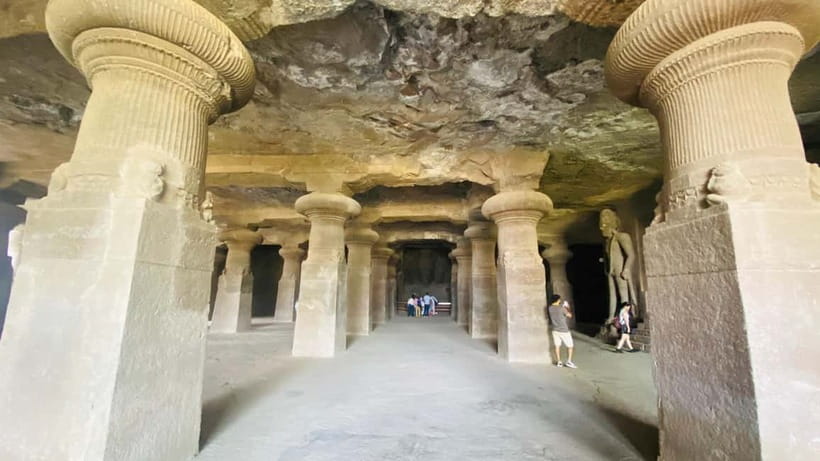
- The 20-foot Trimurti is the main event: The great Shiva sculpture is the visual centerpiece of the Shiva Cave.
- The ferry takes about an hour each way: You get wide views of Mumbai’s skyline and harbor before arriving at the island.
- Private guides explain more than dates: Expect stories about Shiva, Kartikeya, Ganesh, Hindu worship, and the Buddhist connection.
- The cave visit lasts about two hours: That gives you time to see the main chamber and other carved shrines without rushing.
- The route includes steep steps: Comfortable shoes, water, a hat, and sunscreen are not optional extras here.
- Check the fee details before paying: The tour information lists the ferry and cave entrance as included in one place, but also lists INR 290 for the ferry and INR 600 for cave admission as extra.
Why Elephanta works as a half-day trip from Mumbai
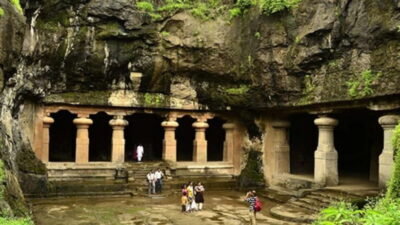
Elephanta is not just a quick photo stop. The island’s cave temples were carved between the 5th and 7th centuries, when Hindu and Buddhist worship shaped this part of India. The work was cut directly into the mountain, so the rooms feel less like separate buildings and more like a sacred complex revealed from solid stone.
That setting gives the outing a useful rhythm. You begin with Mumbai’s traffic and waterfront, spend time on open water, then walk into a cool, shadowy cave filled with images of Shiva. The return boat brings you back to the city with the skyline appearing across the bay.
The half-day length is practical. The tour runs about 4.5 to 6 hours, depending on the pickup choice and timing. You get a serious look at the island without giving up your entire day in Mumbai. If your schedule is tight, this is one of the easier ways to add an important cultural site outside the city center.
I would not treat it as a casual ride with a little sightseeing attached. The ferry, island walk, steps, cave tour, and return trip make it a full outing. Plan it for a morning or early afternoon when you still have energy for the climb.
More guided trips with a ferry leg in the world:
- Fort Sumter Admission and Self-Guided Tour with Roundtrip Ferry
★ 4.5 · 3,343 reviews - San Francisco: Alcatraz Ticket, Ferry, & Self-Guided App
★ 4.5 · 2,460 reviews - From Naples: Capri Guided Tour with Ferry Tickets & Minibus
★ 4.5 · 2,366 reviews
The ferry across Mumbai Harbour
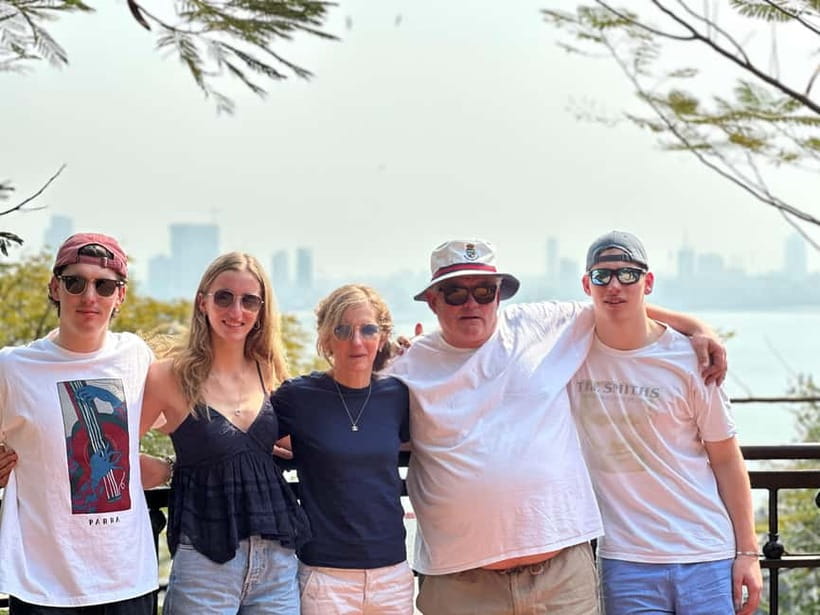
The boat ride is a major part of the experience, not dead time between two points. It takes roughly one hour to reach Elephanta Island, and the route opens up views of Mumbai’s skyline from the water. That perspective helps you understand the city as a harbor metropolis rather than only as a web of roads and buildings.
The ferry also gives you time to settle into the pace of the day. Your guide may explain the island and the cave complex while you travel. One guide arrangement has included Sneha helping with the boat crossing, followed by Pankaj taking over for the cave visit. Other guide names connected with this experience include Neha, Shruti, and Sahil, but your assigned guide can vary.
You may meet your driver and guide in your hotel lobby if you select the pickup option. Other choices use a set meeting point, so check the exact option carefully. The listed drop-off points include PizzaExpress, Regal Cinema, and Mumbai, which matters if you are planning a later reservation or need to return to a particular part of town.
Boat travel can also be the least controlled part of the day. Religious or Indian public holidays can bring heavy crowds at the landing area. The return boarding process may feel tight when many people arrive at once, so I would avoid holiday dates if you have a choice.
Reaching the caves means climbing
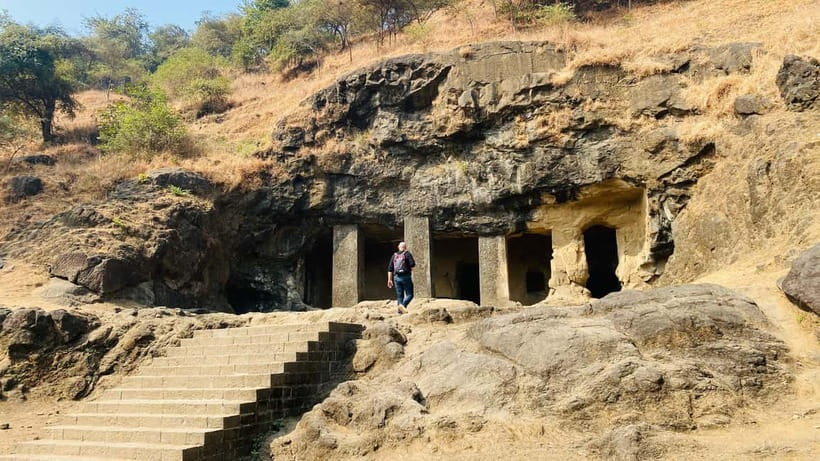
Elephanta’s caves are not beside the dock. You need to walk uphill and climb a long run of steps to reach the main complex. That climb is the clearest physical test of the tour, especially in warm weather.
Wear shoes with a firm sole. Sandals that slip or thin fashion shoes will make the steps harder. Carry water, sunscreen, and a hat, since you will spend time outdoors before entering the shaded cave chambers.
A private guide can make the climb less stressful because the pace can be adjusted. Pankaj is specifically associated with taking time on the ascent rather than pushing people to hurry. That sort of patience matters more here than a polished speech. You want someone who notices when the group needs a pause and saves the explanations for moments when everyone can listen.
Large bags and luggage are not allowed. Bring only what you need for the walk and the visit. A small day bag with water, sunscreen, a camera, and personal essentials is the sensible setup.
Inside the Shiva Cave
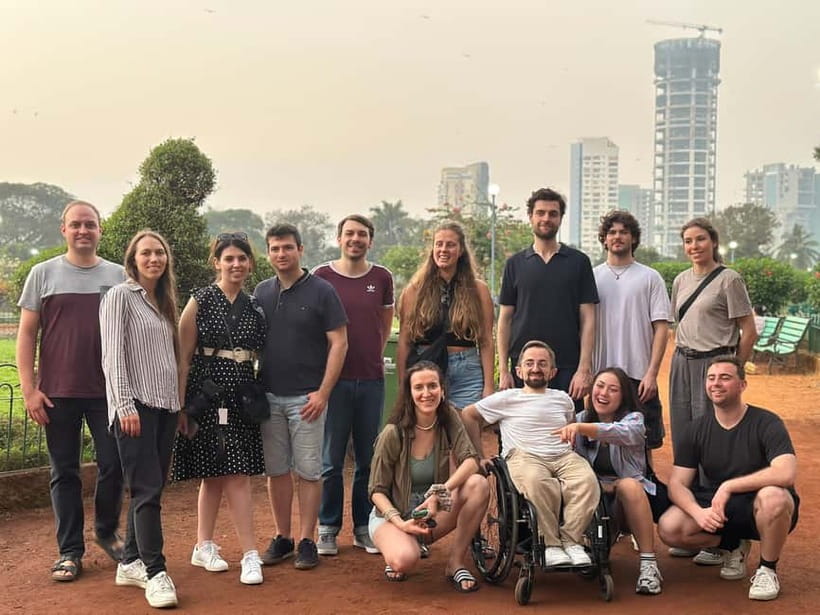
The main Shiva Cave is where the tour earns its keep. Instead of seeing one isolated carving, you move through a large rock-cut complex of shrines, pillars, figures, and sacred scenes. The layout can feel confusing at first, which is why a guide adds real value.
The Trimurti is the visual anchor. This enormous image presents Shiva in three aspects, giving the sculpture a calm, balanced power even in the dim cave. It is easy to admire the size and workmanship, but the guide’s explanation helps connect the three faces to Shiva’s different qualities and stories.
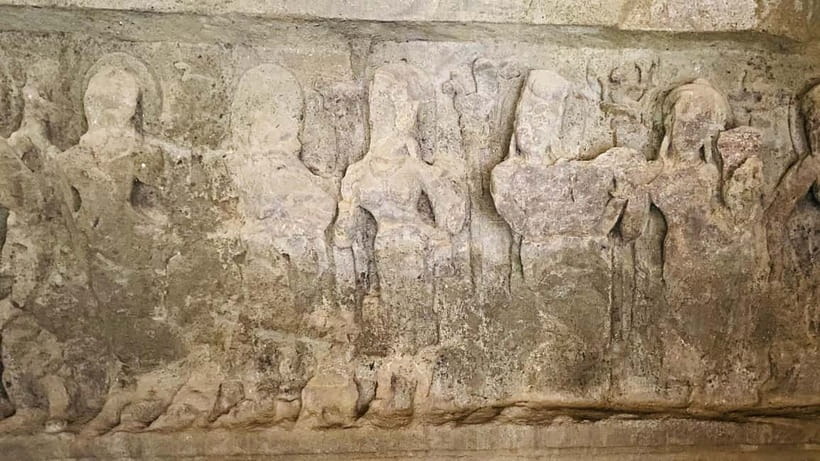
The cave also includes scenes from Shiva’s mythology. A good explanation turns the figures into a sequence of religious ideas rather than a collection of weathered statues. Guides on this tour have been praised for explaining Indian mythology in clear detail and for answering questions about Indian traditions and city life.
You also visit other sections with shrines linked to Kartikeya and Ganesh, Shiva’s sons. These side chambers are important because they show that the site is not built around one famous sculpture alone. The broader group of carvings gives you a better sense of how worshippers might have moved through the complex.
Photography is allowed, but flash photography is not permitted inside. That rule protects the atmosphere and prevents sudden flashes from disturbing other people. Your guide may also help with photographs outside the most crowded parts. Pankaj has been noted for taking panoramic family photos, a small service that can be useful when you want everyone in the picture.
More Ferry Trips in the world:
- New York City: Statue of Liberty & Ellis Island with Ferry
★ 4.6 · 18,683 reviews - All Inclusive Blue Mountain,Scenic World,Lunch,Koalas,ferry
★ 5.0 · 7,832 reviews - Muir Woods and Sausalito (Return by Bus or Ferry)
★ 4.5 · 5,098 reviews - Blue Mountains Small-Group Tour from Sydney with Scenic World,Sydney Zoo & Ferry
★ 5.0 · 3,709 reviews
Hindu and Buddhist layers in one place
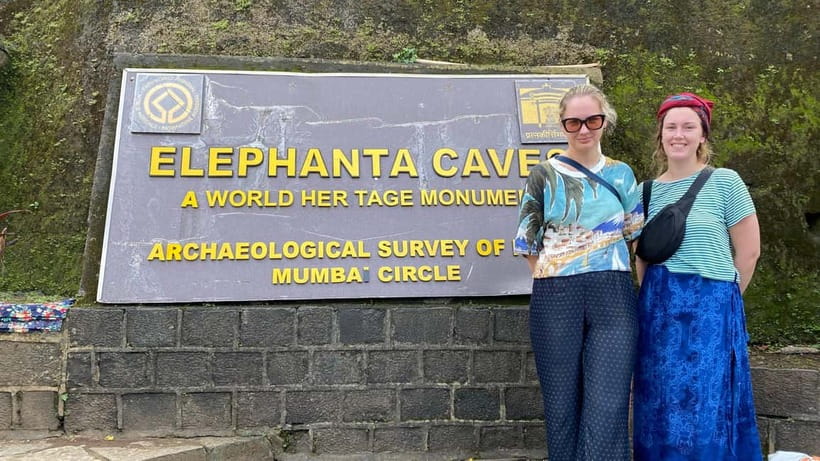
The caves were used as sacred sites for Hindu and Buddhist worship. The strongest visual focus on this tour is Hindu, especially the Shiva Cave, but the wider site carries both religious traditions.
That mix gives the visit more depth. You are not simply looking at old stonework. You are seeing how religious practice, artistic skill, and political power came together over many centuries. The guide’s job is to make those connections understandable without burying you in dates and technical terms.
I would ask direct questions. Why are some figures placed at entrances? What does a particular Shiva scene show? How did worshippers use the chambers? Which carvings are linked to Buddhism? A private format gives you room to steer the conversation toward what interests you.
English is the stated guiding language. The quality of the visit will depend partly on how well your guide explains mythology and sculpture. The named guides connected with past departures have included Pankaj, Sneha, Neha, Shruti, and Sahil. Assignments are not guaranteed, but the repeated emphasis on clear explanations and friendly help is a good reason to choose a guided visit over going alone.
What the private format adds
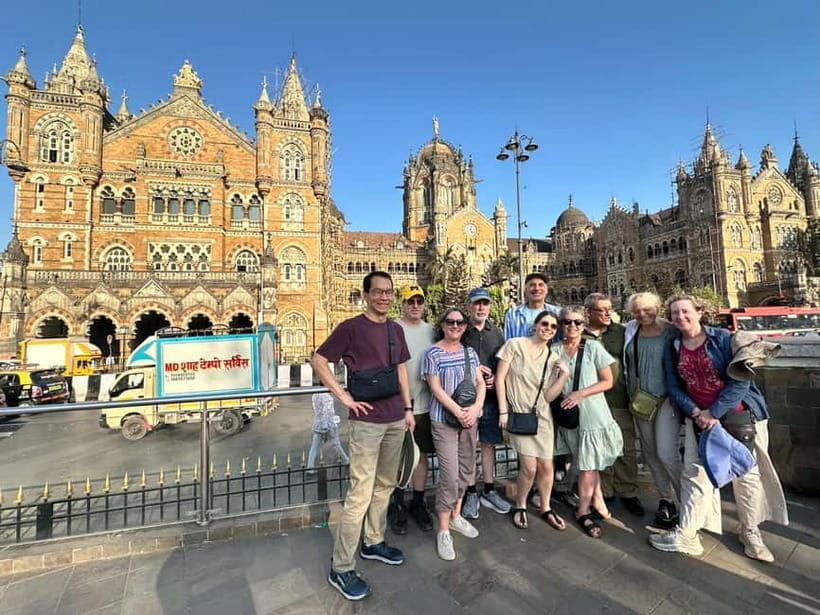
The tour is available as a private group, which is useful at a site where the route can feel cramped and confusing. You can ask for a slower pace on the steps, stop to study a carving, or ask for more detail about Ganesh, Kartikeya, or the Trimurti without holding up a large group.
It also lets the guide adjust the amount of information. If you already know Hindu mythology, you can focus on architecture and the cave’s development. If the stories are new to you, the guide can explain the characters before you reach the main sculptures.
The private format does not remove every inconvenience. You still share the ferry, and the island can feel crowded at the dock, particularly on religious holidays. It also does not make the route accessible for wheelchair users. The tour is specifically unsuitable for wheelchair users and people with mobility impairments.
For families with older children, the mix of boat ride, island walk, and enormous sculptures may work well, provided everyone can handle the steps. For anyone who dislikes stairs, heat, or uneven walking, this is the wrong half-day excursion.
Is the $27 price good value?
At $27 per person, the advertised price looks fair for a half-day experience that can include a private guide, hotel pickup and drop-off, ferry transport, entrance fees, and an English-language tour. A private guide is the key value here. The cave carvings are much easier to understand when someone explains the stories and points out details you might otherwise miss.
But there is an important pricing inconsistency to resolve before booking. The inclusions list says ferry transport and cave entrance are included. The exclusions also list the ferry at INR 290 per person and cave admission at INR 600 per person. Because those details conflict, check the exact booking option and final payment terms before you commit.
Food and drinks are not included. Bring water, and plan to eat before or after the tour rather than counting on a meal being supplied. The total duration can stretch to six hours, so a snack may also be sensible if you need one.
The optional hotel pickup adds convenience, especially for a first visit to Mumbai. If you choose a meeting-point option, check where you need to go and where you will be dropped afterward. The listed drop-offs are not all interchangeable with every hotel.
Who should book this Elephanta tour?
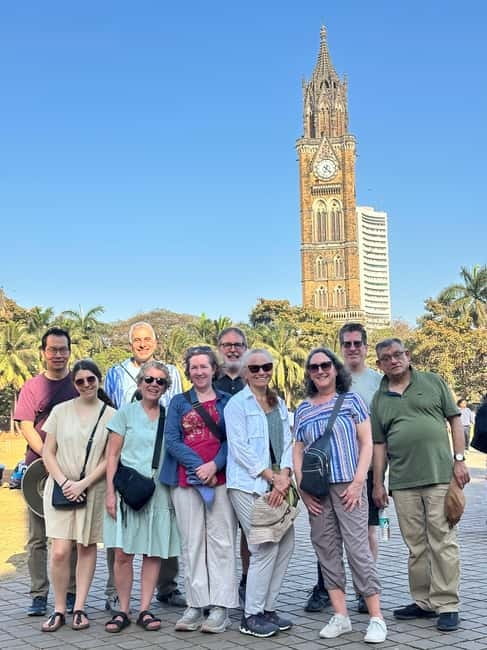
I would recommend it to you if you want a clear introduction to Elephanta without arranging the ferry, admission, route, and guide separately. It suits first-time visitors to Mumbai who enjoy religious art and want context for what they are seeing.
It is also a good fit if you like a day with changing scenery. The ferry gives you open water and city views, while the caves offer shade, carved stone, and a quieter mood. The shift from modern Mumbai to a site more than 1,500 years old is the real appeal.
I would be cautious if you have limited stamina or trouble with steep steps. I would also avoid major religious holidays if crowds make you uncomfortable. The boat landing can become crowded, and the return boarding area may feel cramped when too many people are trying to leave at once.
For independent visitors who prefer to read signs and wander alone, a private guide may feel more structured than necessary. Still, the cave complex is much easier to read with someone explaining the figures and directing you to the major shrines.
Small details that make the day easier

Choose comfortable walking shoes, not just attractive ones. Take water, sunscreen, a hat, and a camera, but leave luggage and large bags behind.
Keep your expectations realistic. The ferry is scenic, but it is also a transfer. The island is atmospheric, but it requires effort. The caves are remarkable, but some carvings may be weathered or difficult to understand without help.
If you can, leave flexibility in your Mumbai schedule after the tour. The stated duration is 4.5 to 6 hours, and boat timing, pickup arrangements, and crowds can affect the return. Free cancellation is available up to 24 hours before the activity, and reserve-now-pay-later booking may help if your plans are still shifting.
Should you book it?
Book this tour if you want Elephanta’s major sculptures explained in plain English and prefer having transport and guiding arranged for you. The combination of ferry views, a private guide, and the Trimurti makes the $27 starting price appealing, provided you confirm whether the ferry and admission charges are already covered.
Skip it if steep steps, heat, or crowded boat boarding would spoil your day. For everyone else, this is a strong half-day choice from Mumbai, especially when you want more than a quick look at old carvings and are ready to listen to the stories behind them.
FAQ
How long does the Elephanta Caves tour last?
The activity lasts about 4.5 to 6 hours. The listed schedule allows about one hour for each ferry transfer and about two hours for the guided cave visit.
Is hotel pickup available?
Yes, hotel pickup and drop-off are available with selected options. With a pickup booking, the driver and guide meet you in the hotel lobby at the scheduled time. Meeting points vary by option.
Is the ferry ride included in the price?
The tour details are inconsistent. One section lists the ferry as included, while another lists the ferry cost as INR 290 per person. Confirm the exact inclusions for your selected booking option.
Are Elephanta Caves entrance fees included?
The details list entrance fees as included in one place, but also list INR 600 per person as an additional entrance charge elsewhere. Check the final booking information before paying.
Can I take photographs inside the caves?
Photography is allowed, but flash photography is not permitted inside the caves.
Is the tour suitable for wheelchair users?
No. The tour is not suitable for wheelchair users or people with mobility impairments because the route includes substantial walking and steep steps.
What should I bring?
Bring comfortable shoes, a hat, a camera, sunscreen, and water. Large bags and luggage are not allowed.
Latest sailings added in the world
- Private Tangier Tour from Ferry /Cruise ship Including Lunch★ 3.8 · 12 reviews
- Lake Como: Villa Carlotta Entry Tickets with Ferries★ 4.1 · 5 reviews
- NYC: Brooklyn Bridge and DUMBO Tour with East River Ferry★ 4.9 · 28 reviews
- Lake Como: Lakeside Villas Entry Tickets with Ferries★ 4.2 · 77 reviews
- Vancouver False Creek Ferry Tour★ 5.0 · 32 reviews
- Old Town Alexandria in a Day with Round Trip Ferry Cruise★ 4.5 · 17 reviews
- Victoria & Butchart Gardens Tour with Gulf Island Ferry★ 4.0 · 7 reviews
- Photography, Hiking & Ferry to Bowen Island★ 5.0 · 29 reviews
Mumbai Ferry Trips, compared.
From Mumbai: Half-Day Elephanta Caves Tour with Ferry Ride
Read our review →
Mumbai City Tour with Ferry Ride and Dharavi Slum
Read our review →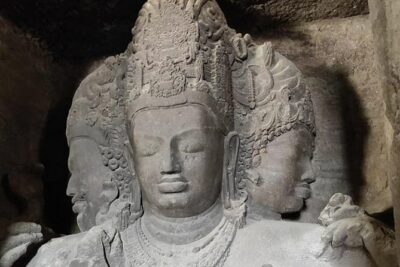
Private Bollywood Tours With Elephanta cave Inculiding Ferry Ride
Read our review →
Mumbai: Elephanta Caves Private Tour with Ferry Ride
Read our review →
Private Full-Day Sightseeing Tour of Mumbai with Ferry ride
Read our review →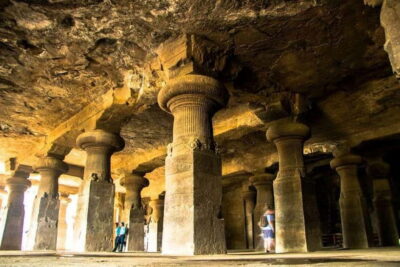
Mumbai: Elephanta Caves Guided Tour with Ferry & Lunch
Read our review →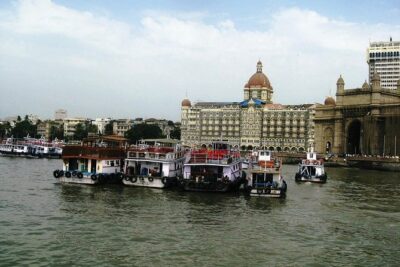
All in one-Combo of City, Dhobighat, Slum & Dabbawala with ferry and train ride.
Read our review →Find it on these lists