Review · CAPE TOWN
Cape Town: Robben Island Ferry and Guided Tour
Robben Island is not a sightseeing stop you simply check off. Its small prison cells, work yard, and limestone quarry put South Africa’s apartheid era into physical view. The most affecting part is the guided account from a former political prisoner, when available, because the island’s story comes through lived experience rather than dates alone.
I like the ferry ride from the V&A Waterfront, with views toward Table Mountain and the Atlantic coast. I also like the chance to see Nelson Mandela’s cell and hear how prisoners lived and worked there. The main concern is reliability: two recent bookings in the supplied feedback were cancelled because the island was closed, with one guest reporting notice only 30 minutes before departure and another still waiting for a refund.
Key points at a glance
- A former prisoner may guide the island tour, adding personal detail to the account of apartheid and political imprisonment.
- Nelson Mandela’s cell is a central stop, along with the prison yard and limestone quarry where inmates worked.
- The ferry leaves from the Clock Tower Retail Centre, an easy landmark at Cape Town’s V&A Waterfront.
- Table Mountain and the Atlantic coast provide the best views during the crossing.
- Penguins, seals, and birds may appear, though wildlife sightings are not guaranteed.
- Check the timing carefully, since the details list both a one-hour duration and a route lasting roughly three and a half hours.
Why Robben Island carries such weight
I would choose this outing for its historical importance, not because it offers a carefree day at sea. Robben Island was used to hold Nelson Mandela and other political prisoners during the apartheid era, and it later became a UNESCO World Heritage Site.
The power of the visit comes from the contrast between the island’s open setting and the limits placed on the people imprisoned there. You may see the sea, birds, and distant Cape Town, then enter a narrow cell where Mandela spent 18 of his 27 years in prison. That change in scale makes the story easier to grasp.
A guide leads you through the major sites and explains the anti-apartheid struggle. The supplied details say the guide is often a former political prisoner. That matters. You are not only looking at old walls. You are hearing about the prison system from someone connected to it.
The exact guide’s name is not provided, so I would not book this expecting a particular speaker. The personal background of the guide can vary, but the experience is designed around that first-person connection.
More ferries out to landmark islands in Cape Town:
- Cape Town: Robben Island Ferry Ticket and Guided Prison Tour
★ 4.1 · 1,792 reviews - Cape Town: Robben Island Ferry Tour with 1-Way Hotel Pickup
★ 4.2 · 1,380 reviews - Cape Town: Robben Island Ferry Ticket and Townships Tour
★ 4.5 · 400 reviews
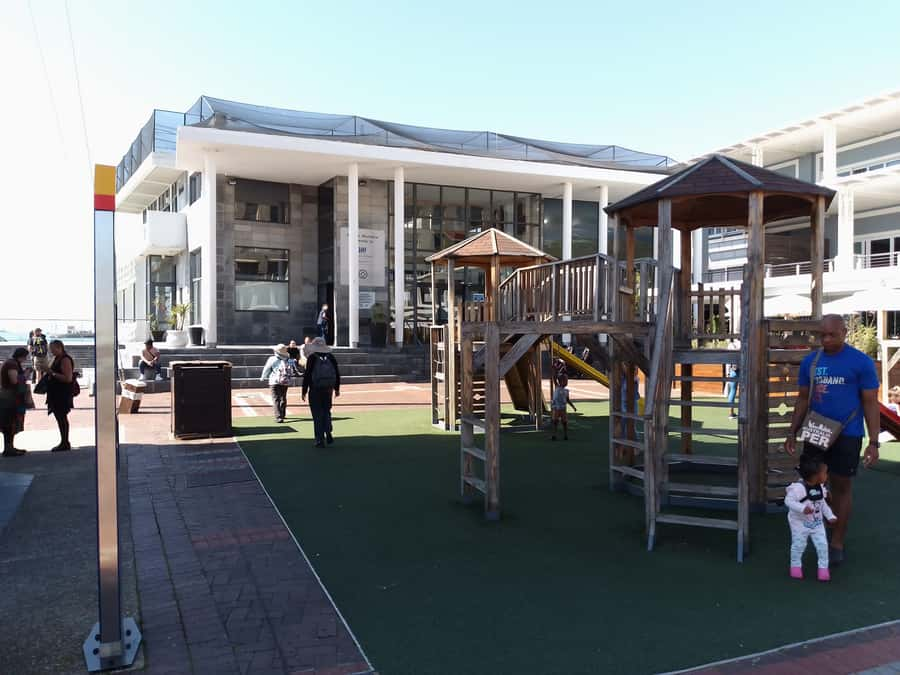
Starting at the Clock Tower Retail Centre
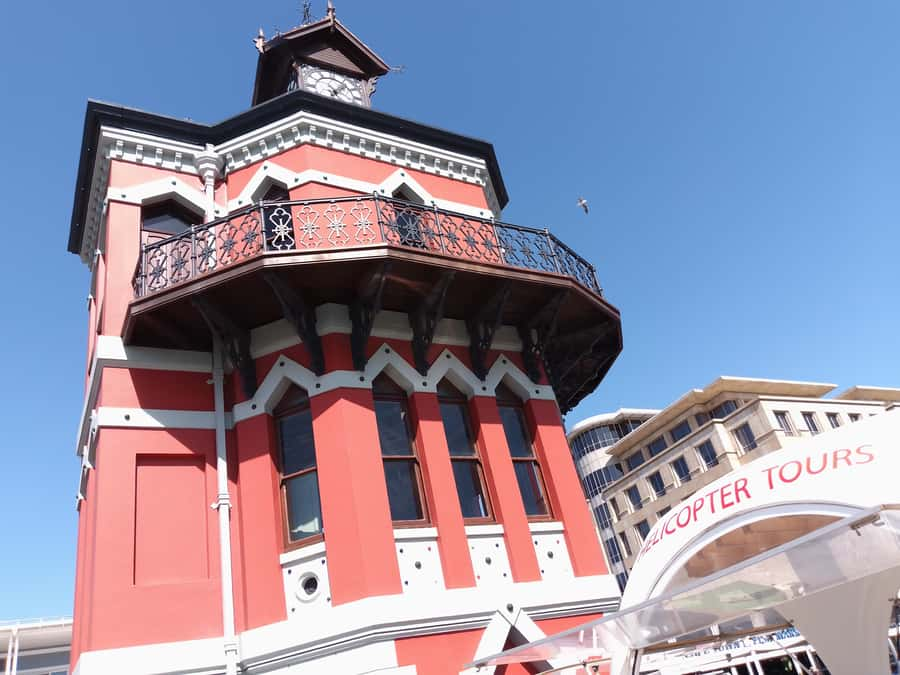
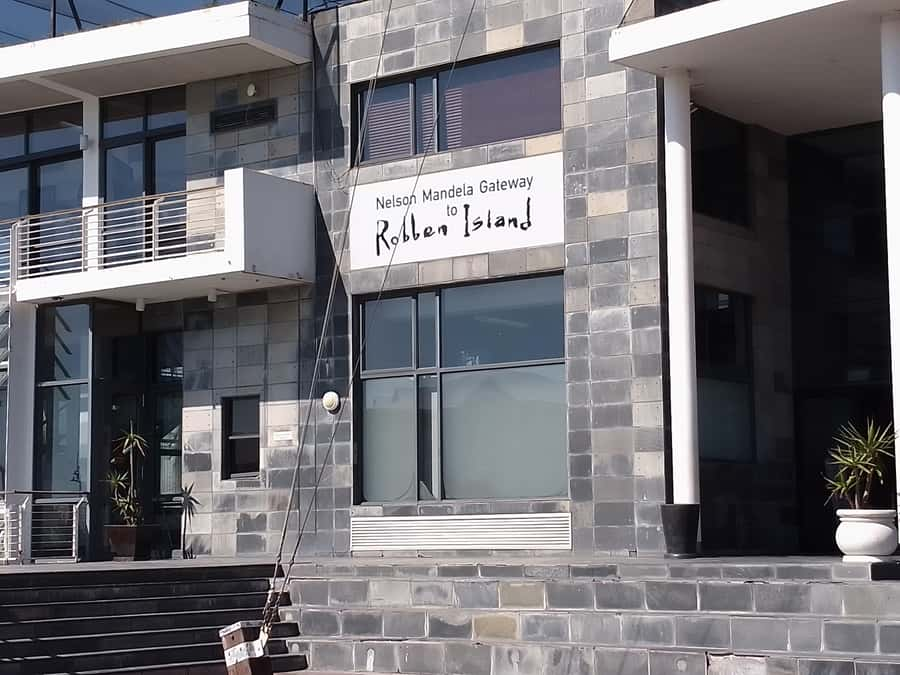
Your meeting point is the Victorian Gothic Clock Tower at the V&A Waterfront. This red building was originally the Port Captain’s Office, built in 1882, and its clock was imported from Edinburgh.
It is a useful meeting point because the building is easy to recognize. The red walls, pointed windows, and prominent clock make it less confusing than a generic harbour entrance. I would arrive with your identification ready, rather than trying to sort out documents at the last moment.
You need a passport or identity card, and a copy is accepted according to the activity details. Comfortable shoes, a hat, sunscreen, and a camera are sensible choices. Smoking is not allowed.
The waterfront location also gives you a little breathing room before departure. You can look out over the harbour and get your bearings, but do not treat this as unlimited spare time. Ferry departures and island access depend on operating conditions.
The 30-minute ferry across the Atlantic
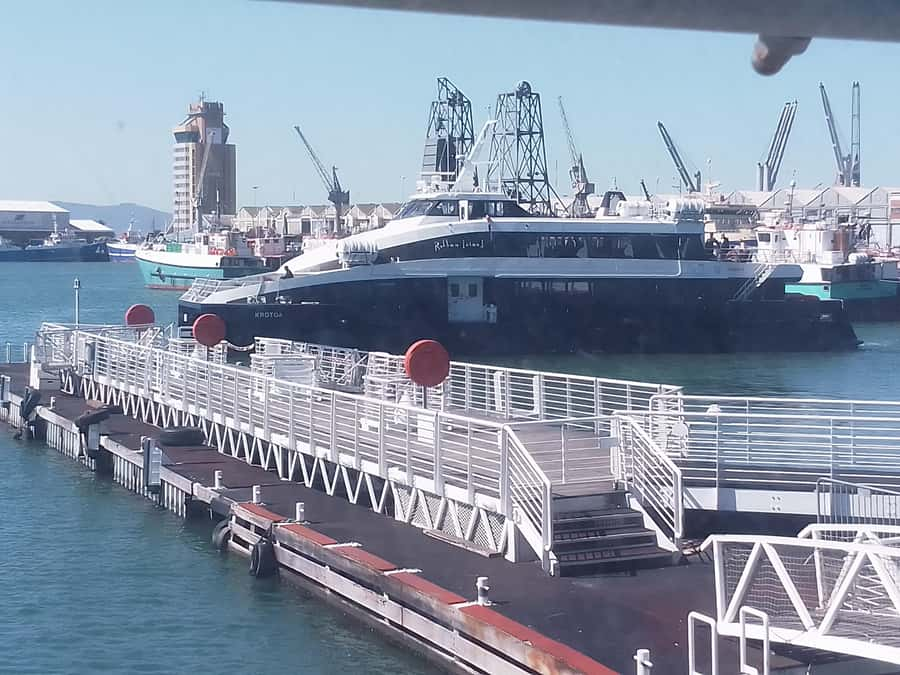
The crossing to Robben Island is listed as 30 minutes. I like this part because it gives you a physical sense of the island’s separation from Cape Town. As the ferry moves away from the V&A Waterfront, you can look back toward Table Mountain and along the Atlantic coastline.
The view is more than a pleasant prelude. Robben Island’s isolation helped shape its role as a prison site. From the water, Cape Town can look close, yet the island feels cut off. That simple distance helps explain why the crossing is part of the experience rather than just transport.
Weather is the key variable. The ferry operates when conditions permit, and the visit can be affected by rough weather or an island closure. I would avoid placing this tour on the final day of a short Cape Town trip. If the crossing is cancelled, you want enough time to rearrange your plans.
The ferry ride is not described as a meal service, and food and drinks are not included. Bring what you need for the outing, but keep in mind that the activity specifically advises against smoking.
Meeting the guide on Robben Island
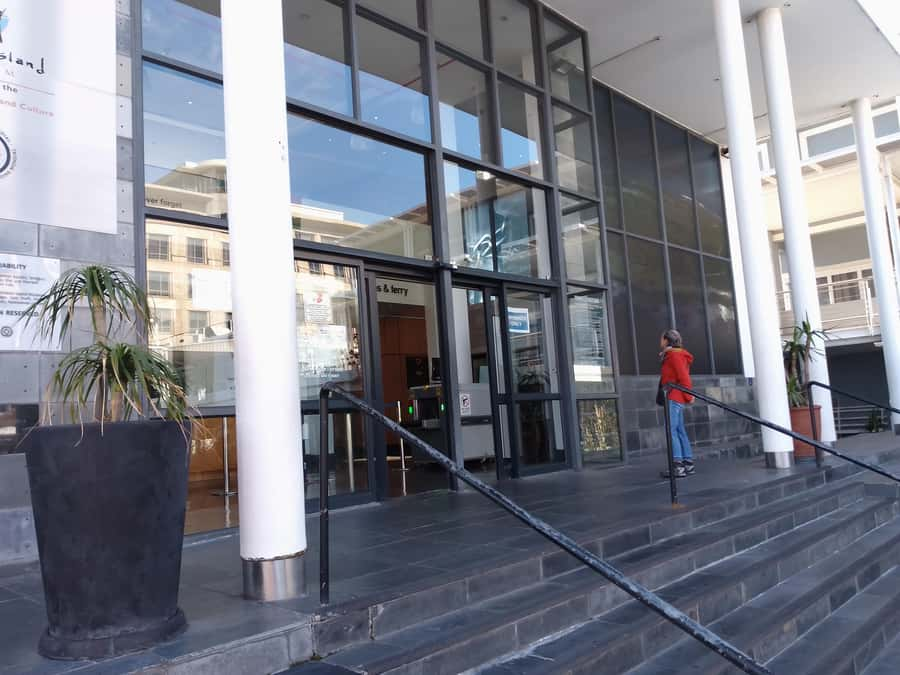
After arriving, you join the guided portion of the visit. The route includes the former prison, the prison yard, the limestone quarry, and other sites linked to the island’s political and penal history.
The guide’s role is crucial. A basic walk around the buildings would leave you with photographs but little sense of how the system worked. The guide explains the anti-apartheid struggle and the prisoners’ experiences, helping you connect the physical places with the people who spent years there.
The strongest version of this tour is likely to be led by a former political prisoner. That personal link was singled out in the positive feedback, along with the guide’s background information and the way the visit was organized. The supplied comments describe the guide on the bus as very informed and personal, though no name is given.
I would listen for details about daily prison life, not just famous names. Mandela is the best-known prisoner, but the tour is also about the wider group of political prisoners and the system that held them. That broader focus gives the visit more meaning.
The language offered is English, with French available through a translator on advance request for an additional cost. If you need French, arrange it before the day of the tour rather than assuming it will be available at the dock.
More Island Ferry Trips in Cape Town:
- Cape Town: Robben Island Ferry with Prison Ticket and Tour
★ 4.0 · 324 reviews - Robben Island Ferry Ticket and Guided Prison Tour
★ 3.0 · 160 reviews - Cape Town: Robben Island ferry ticket with guided tour
★ 4.0 · 61 reviews - Cape Town: Robben Island ferry ticket plus Guided Tour
★ 3.3 · 37 reviews
Seeing Mandela’s cell and the prison yard
Nelson Mandela’s cell is the emotional center of the visit. He spent 18 years on Robben Island, and the small space gives you a blunt reminder of the physical limits of his imprisonment.
I would not expect a large museum display or a theatrical presentation. The cell’s value is its plainness. You see the kind of space in which a major part of Mandela’s life unfolded, then hear the guide explain his struggles and his role in South Africa’s eventual liberation.
The prison yard adds another layer. It places the cell within a larger institution, where political prisoners lived under rules designed to control their movement and daily lives. The guide’s explanation is what turns the yard from an empty area into evidence of how the prison operated.
The visit is best approached quietly. You can take photographs, but I would give yourself time to listen and think. This is one of those places where rushing for a perfect picture would miss the point.
The limestone quarry and the island’s wider story
The limestone quarry is another important stop. Prisoners worked there, and the quarry shows that Robben Island was not only a place of confinement but also a place of labor.
This stop helps widen the story beyond Mandela. The island’s history includes forced work, harsh conditions, political organizing, and the daily effort of prisoners to maintain dignity under imprisonment. Your guide provides the context that the pale stone itself cannot.
The route also includes other key landmarks on the island. The exact stops can depend on operating conditions and the day’s program, so I would treat the listed sites as the essential framework rather than a promise of a fixed minute-by-minute schedule.
The activity description gives a three-hour guided tour on the island. That is enough time for a serious visit, but it also means you should wear shoes that can handle extended walking and bring sun protection. A hat and sunscreen are specifically recommended.
Penguins, seals, and birds along the way
Robben Island is also home to wildlife. You may see penguins, seals, and several bird species during the visit.
I would keep this in the right place in your expectations. The animals are a welcome extra, not the reason to book the tour. Sightings depend on conditions and chance, and no specific viewing area or guarantee is provided.
The wildlife does add another layer to the island. You are visiting a place marked by political imprisonment, but it is also an Atlantic island with its own natural life. Looking for birds or seals can give you a quiet pause between the heavier historical stops.
Bring a camera if you want one, but do not let wildlife spotting distract you from the guided account. The prison and the anti-apartheid story remain the main purpose of the outing.
The timing needs careful checking
There is a clear timing problem in the supplied information. The activity is labeled as lasting one hour, but the route lists a 30-minute ferry and a three-hour guided tour on Robben Island, followed by the return ferry. Those elements cannot fit into one hour.
For planning purposes, I would allow at least the ferry time in both directions plus the stated three-hour island tour. In practical terms, that means you should expect a substantial part of the day, not a quick one-hour activity.
Check the starting time and operating status before you leave your accommodation. The tour is subject to weather, and the recent low-scoring feedback includes two cancellation problems. One cancellation was reported shortly before departure, while another involved a delayed refund response.
The activity offers free cancellation up to 24 hours in advance and a reserve-now, pay-later option. Those terms are useful for flexibility, but they do not remove the risk of a last-minute change caused by island access or weather. If your schedule is tight, this is worth taking seriously.
Is $109 a fair price?
At $109 per person, the price is not small for a Cape Town outing. The value depends on what you want from the day.
You are paying for the return ferry, the guided island visit, access to the main historical sites, and the chance to see Mandela’s cell. A former political prisoner may lead the tour, which gives the experience a personal quality that a self-guided visit could not match.
Meals and drinks are not included. The French translator also costs extra if you request one. I would compare the price with the importance you place on Robben Island, rather than treating it as a standard sightseeing ride.
For someone interested in South African history, this can be worthwhile because the island is difficult to understand through photographs alone. You are physically transported to the place, guided through its prison spaces, and shown the quarry and yard. For someone mainly seeking scenery or wildlife, the price is harder to justify.
The low overall score of 3 from seven supplied reviews also deserves attention. The positive feedback praises the personal guide, the background information, and the organization. The negative feedback is not about the island itself. It focuses on cancellation notice and refund handling, which are practical concerns you should weigh before booking.
Who should book this experience?
I would recommend this tour to you if Robben Island is a major priority in your Cape Town plans. It suits adults and older children who can engage with difficult political history and manage a ferry crossing followed by several hours of touring.
It is especially useful if you want context rather than a quick photo stop. The former-prisoner guide format, when available, can make the history direct and human.
You may want to reconsider if you have very little time in Cape Town, need a guaranteed departure, or are booking around a flight. Weather and island operations can interfere with the schedule, and the supplied timing needs clarification.
The tour is listed as wheelchair accessible, which is helpful, but I would still confirm the practical arrangements in advance because the experience includes a ferry and movement around historic sites. The details do not explain which areas have ramps or how accessibility is handled at every stop.
My practical verdict before you book
I would book this for the meaning of the place and the quality of the guide, not for a guaranteed smooth schedule. The ferry views are appealing, the prison sites are important, and Mandela’s cell gives the visit a clear emotional focus.
I would book it early enough to leave room for a change of plan, confirm the duration, and check the island’s operating status close to departure. If the operator handles your booking well and the ferry runs, this can be one of Cape Town’s most useful history outings. If your itinerary cannot absorb a cancellation or delayed refund, choose it only when you have a backup plan.
FAQ
Where does the Robben Island tour begin?
The meeting point is the Victorian Gothic Clock Tower Retail Centre at the V&A Waterfront in Cape Town.
How long is the ferry ride to Robben Island?
The ferry ride to the island is listed as 30 minutes. The return crossing is also part of the overall outing.
How long does the guided tour on Robben Island last?
The island portion is listed as a three-hour guided tour.
Why does the activity also say the duration is one hour?
The supplied details contain conflicting timings. The headline duration says one hour, while the route lists a 30-minute ferry and a three-hour island tour. Confirm the schedule before booking.
Who leads the guided tour?
The English tour is led by a live guide, often a former political prisoner. A specific guide’s name is not provided.
Can I request a French guide or translator?
French language assistance is available by advance request at an additional cost.
What identification should I bring?
Bring a passport or identity card. A copy is accepted according to the activity information.
What happens if the weather is bad?
The ferry operates when weather conditions permit, so the tour is subject to weather and island operating conditions.
Latest sailings added in Cape Town
- Robben Island Cape Of Good Hope Penguins Including Ferry Ticket★ 5.0 · 3 reviews
- Robben Island Nelson Mandela’s Prison Museum + Township Tour incl Ferry Tickets★ 5.0 · 9 reviews
- Robben Island Museum, Stellenbosch Wineries plus Ferry Tickets★ 5.0 · 4 reviews
- Nelson Mandela’s Robben Island Prison Museum Cape Town City Tour + Ferry Tickets★ 5.0 · 7 reviews
- Cape Town Half-Day Robben Island Tour with Ferry Ticket★ 4.5 · 13 reviews
- Robben Island Museum Stellenbosch Wineries Plus Ferry Ticket F/D★ 5.0 · 6 reviews
- Cape Town-Robben Island Ferry Ticket and Guided Prison Tour★ 3.5 · 7 reviews
- Cape Town: Robben Island ferry ticket with guided tour★ 4.0 · 61 reviews
Island Ferry Trips, compared.

Cape Town: Robben Island Ferry Ticket and Guided Prison Tour
Read our review →
Cape Town: Robben Island Ferry Tour with 1-Way Hotel Pickup
Read our review →
From Perth or Fremantle: Rottnest Island Ferry and Bus Tour
Read our review →
From Fremantle: Rottnest Island Ferry and Bike Day Tour
Read our review →
Cairns: Fitzroy Island Ferry with Optional Lunch & Activity
Read our review →

Cape Town: Robben Island Ferry Ticket and Townships Tour
Read our review →