
Review · SEATTLE
Seattle, WA to Victoria, BC High-Speed Passenger Ferry: ONE-WAY
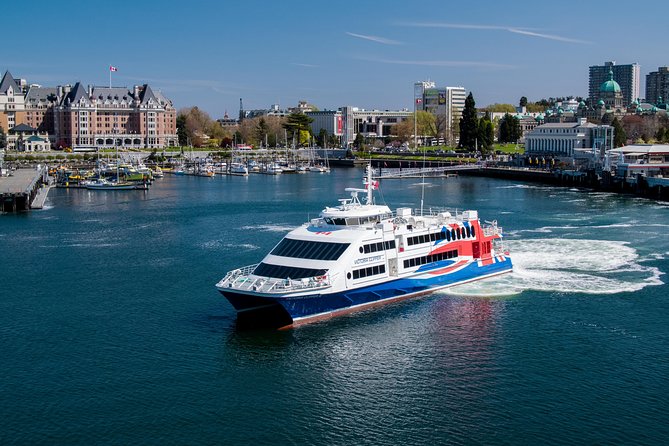
The best part of this trip is the arrival: after a scenic ride across Puget Sound and the Strait of Juan de Fuca, you step off right in downtown Victoria, not at some remote transport hub. You can leave the car behind, settle into a passenger seat, and let the boat handle the border crossing and the driving.
I like the fast three-hour crossing and the large windows, which make the ride feel more like a short cruise than a simple transfer. I also like the useful onboard extras, including food service, duty-free shopping, and staff who can point you toward things to do after arrival. The main catch is price: at $136.50 per person for one-way economy seating, plus possible luggage and food costs, this is convenient but not cheap.
Key points to know before booking
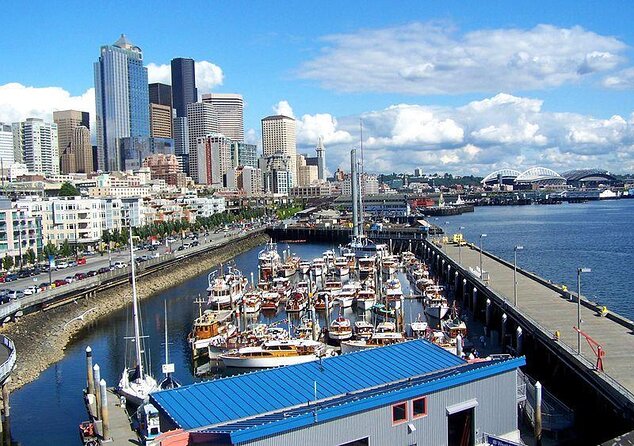
- Downtown-to-downtown route: Leave from 2701 Alaskan Way in Seattle and arrive at Victoria’s Belleville Terminal in the Inner Harbour.
- Passenger-only service: Cars are not allowed, so this works best if you plan to explore Victoria on foot or use local transportation.
- Under three hours on the water: The high-speed catamaran crosses Puget Sound and the Strait of Juan de Fuca without the long sailing time of a conventional ferry.
- Border documents matter: A US passport, passport card, Enhanced Driver License, or Enhanced ID Card is required for the sea crossing.
- Economy seating is the base fare: Vista and Comfort Class upgrades may be available, with Comfort Class offering a better view and complimentary snacks according to onboard experience.
- Pack light: One small carry-on is allowed, while checked luggage costs $20 per piece.
Seattle’s waterfront departure at 2701 Alaskan Way
Your trip begins at the FRS Clipper terminal on Seattle’s waterfront, at 2701 Alaskan Way. This is a city departure, not a drive-on ferry terminal, so you arrive as a foot passenger and board without a car.
Plan to arrive about an hour before departure. That advice has proved useful for a smooth check-in, especially if you need to sort out luggage, confirm your documents, or simply find the right boarding area without rushing. Your mobile ticket makes the process easier, but it does not replace the need for valid border identification.
You must provide each passenger’s citizenship, full name, and date of birth as shown on the passport or other border document when booking. Check those details carefully. A mistake in a name or birth date can create trouble at the point when you least want it.
The experience has a ferry-terminal rhythm, but it feels closer to airline boarding than to loading a car onto a large vehicle. You check in, wait to board, find your seat, and keep your small carry-on with you. The vessel carries up to 100 travelers, so this is a fairly limited-capacity service rather than a huge ship with endless public space.
More single-journey ferry tickets in the USA:
- Catalina Express: San Pedro to Avalon One-Way Ferry
★ 4.0 · 293 reviews - Catalina Express: Avalon to San Pedro One-Way Ferry
★ 5.0 · 3 reviews - One-Way High-Speed Passenger Ferry: Victoria, BC to Seattle, WA
★ 4.0 · 76 reviews
What the FRS Clipper ride feels like
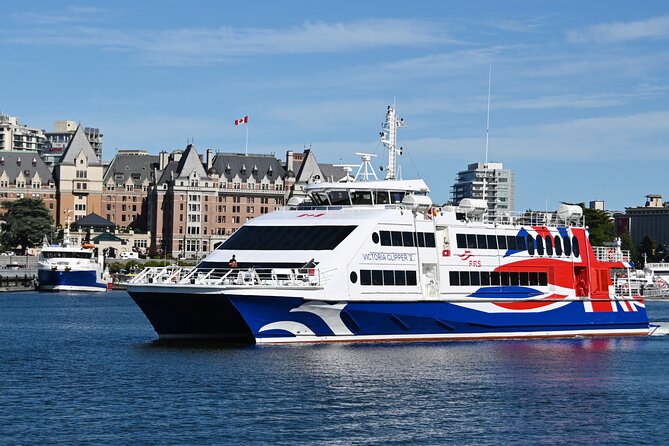
The FRS Clipper is a high-speed catamaran, built for a quick passenger crossing. The ride takes roughly three hours, though actual departure and arrival times can vary. One sailing was reported to leave 35 minutes late, so I would avoid booking a tight connection immediately after arrival in Victoria.
Once underway, the catamaran gives you a broad view through large windows. You pass from the waters around Seattle into the Strait of Juan de Fuca, with the scenery changing as the boat moves away from the city. Weather can make a big difference. On a clear day, you should have excellent photo chances. On a foggy morning, the ride can still be comfortable, but the views may be limited.
The boat can slow down if whales are spotted. That happened on one crossing, allowing people to take photographs of a pod. You should treat this as a lucky bonus, not a scheduled part of the trip. The crew may also point out sights along the route, adding a little context to what you see outside.
Motion is another point in the ferry’s favor. Several people found the ride smooth, with only light rocking. Nausea assistance was available onboard, which is helpful if you are unsure how your stomach will handle the crossing. Still, anyone prone to seasickness may want to sit near the center of the vessel and carry whatever remedy normally works for them.
Economy, Vista, and Comfort Class seating
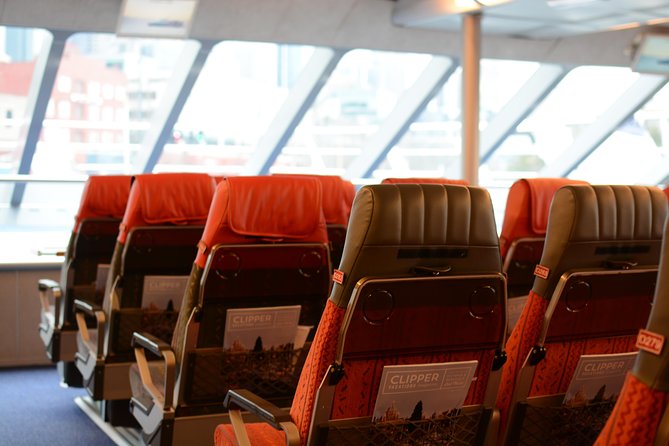
The advertised fare includes Economy Class seating. Economy gets you the basic transportation you need, and for many people that is enough. You have a seat, a window view may be available depending on your location, and access to the ferry’s general facilities and food service.
The seating arrangement can be confusing if you have not used the Clipper before. One passenger discovered only after booking that economy was the lowest seating tier and found the paid upgrade worthwhile. That does not mean you need to upgrade, but it does mean you should compare the options before paying.
Vista and Comfort Class upgrades may be available by contacting FRS Clipper for current pricing and space. Comfort Class has been described as offering better views, assigned seating, and complimentary snacks. If the fare difference is modest and the scenery is a major reason for your trip, the upgrade may make sense.
For a budget-minded crossing, stay with Economy and spend your money in Victoria. For a special occasion, a long sightseeing day, or a passenger who values a quieter and more comfortable seat, ask about the higher classes before finalizing the booking.
Food, drinks, and duty-free shopping onboard
Food and drinks are not included in the $136.50 fare. The ferry has food service, snacks, and beverages available for purchase, including alcoholic drinks. One meal was described as good but expensive, while another experience found the food basic but perfectly edible.
I would think of the onboard menu as practical ferry food, not a reason to book the trip. You can buy breakfast or a drink, but the cost can add up quickly, especially for a family. If you have dietary needs or want to keep spending down, bring a small permitted snack if the operating rules allow it, and remember that the listed luggage allowance is limited.
Duty-free shopping is available because you are leaving the United States for Canada. It is a minor perk rather than a central feature, but it gives you something to browse during the crossing. Do not confuse duty-free shopping with included refreshments. Food, nonalcoholic drinks, and alcohol all cost extra.
The crew generally receives high marks for being friendly, attentive, and helpful. One staff member named Jay was especially helpful with information about tours in Victoria. You may also receive useful suggestions when leaving the ferry, though I would still keep your own plans handy.
More Ferry Trips in the USA:
- New York City: Statue of Liberty & Ellis Island with Ferry
★ 4.6 · 18,683 reviews - Muir Woods and Sausalito (Return by Bus or Ferry)
★ 4.5 · 5,098 reviews - Fort Sumter Admission and Self-Guided Tour with Roundtrip Ferry
★ 4.5 · 3,343 reviews - Charleston: Fort Sumter Entry Ticket with Roundtrip Ferry
★ 4.7 · 2,879 reviews
Crossing the border by sea
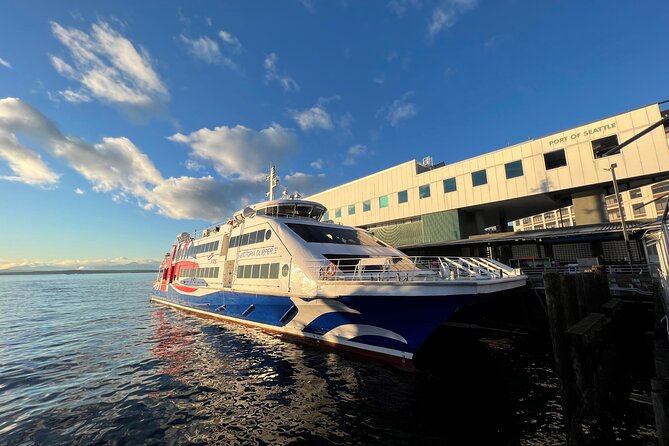
This is an international crossing, so documents are not a minor detail. For travel between the United States and Canada by sea, you need a US passport, passport card, Enhanced Driver License, or Enhanced ID Card.
A passport is required for air travel, while a passport card or Enhanced ID Card is not valid for air travel. That distinction does not change the ferry rules, but it is worth remembering if you plan to fly home or continue by air.
You must provide citizenship and passenger identification details at booking. If you have a felony, you may be denied entry to Canada. A DUI is considered a felony in Canada, so check your eligibility before buying a nonrefundable or difficult-to-change travel plan.
The border process is part of the reason this ferry is so useful. You do not need to arrange a separate transfer from a suburban port into Victoria. You arrive at the city’s Inner Harbour, then proceed through the required Canadian entry process before beginning your visit.
Luggage rules and the cost of packing
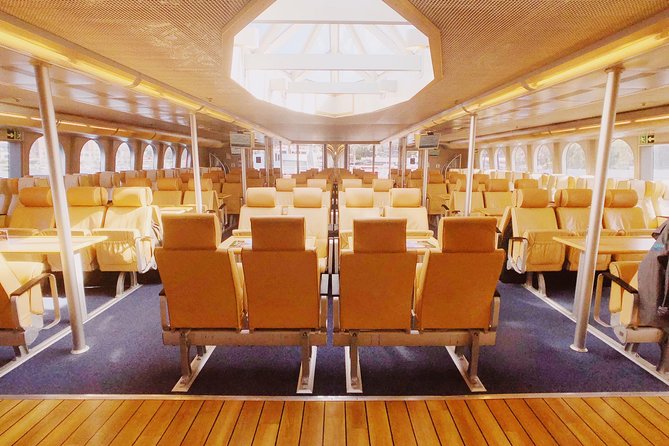
The standard allowance is one small carry-on. Checked luggage is not included and costs $20 per piece. The luggage rules deserve more attention than they usually receive, since one passenger found that the weight limit was not clearly stated in the booking information. A 50-pound limit was referenced in connection with a larger suitcase.
If you are traveling for several days, confirm the current size and weight limits before you leave for the terminal. The $20 charge is not outrageous, but it changes the real cost of the trip. A couple with two checked bags could pay $40 extra each way, before buying food or upgrading seats.
Bikes and dogs have restrictions, and you must advise the operator at booking if you plan to bring either. Service animals are allowed. This is not a casual walk-on arrangement for every type of gear, so ask first instead of arriving with an oversized item and hoping it will fit.
Arriving at Belleville Terminal in Victoria
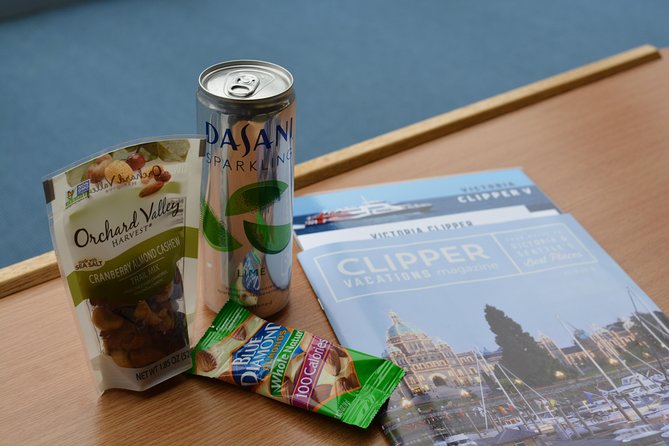
The ferry arrives at the Belleville Terminal, 254 Belleville Street, in Victoria’s Inner Harbour. This is one of the service’s strongest points. You are close to restaurants, shopping, downtown streets, and many of Victoria’s best-known sights.
The arrival is especially handy for a short visit. You do not lose the first part of your day traveling from an outlying port. Once through Canadian entry procedures, you can start exploring the city area around the harbour.
Victoria rewards a walking-based arrival. You can head toward dining and shopping without first finding a rental car or arranging a long transfer. If you have heavy luggage, though, the walk may be less appealing, and the extra checked-bag fee may be worth considering if it keeps your hands free.
The terminal also makes the ferry useful as part of a larger trip. You can arrive in Victoria from Seattle, spend time in British Columbia, and then arrange a separate onward connection. The ferry itself is one-way, so confirm that your return plan is booked separately.
Is $136.50 a good value?
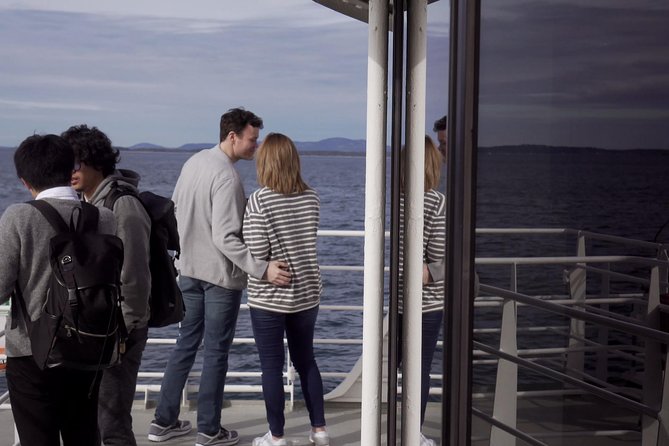
The fare buys more than a boat ride. You are paying for a direct city-center connection, a relatively quick crossing, border transport, and a scenic route without the expense of driving or parking. If you are already planning to visit Victoria, the convenience can justify the cost.
Still, $136.50 per person is a serious one-way fare. Add checked luggage, meals, drinks, or a seating upgrade, and the total rises. A family of four will feel that difference immediately.
The value is strongest when time matters. The boat takes about three hours, and the downtown arrival saves you from arranging a separate transfer. It also suits visitors who do not want to drive across a border or manage a car in Victoria.
The value is weaker if you only want the cheapest possible transportation, if your schedule is flexible enough for a slower route, or if you already have a car and need to bring it. This service is passenger-only, so it cannot replace a vehicle ferry.
Who should book this crossing?
I would choose this ferry for a first visit to Victoria from Seattle, a weekend trip, or any itinerary where downtown arrival matters. It is also a good match for solo visitors and couples who want a straightforward international transfer with scenery along the way.
Families can use it well, but should budget for food, luggage, and possibly upgraded seating. The smooth ride, clean facilities, and helpful crew make the three hours manageable, though children may still need something to do during the crossing.
This is less suitable for anyone carrying a bicycle, dog, or bulky luggage without checking the rules first. It is also not ideal if you need absolute timing precision. The service is often punctual, but cancellations and delays have occurred, including one cancellation that forced a longer stay in Seattle.
The cancellation policy allows a full refund if you cancel at least 24 hours before departure. Changes made within 24 hours are not accepted, and late cancellations are not refunded. Poor weather or failure to meet the minimum number of passengers can also cancel a departure, in which case you are offered another date or a refund.
Should you book the Seattle to Victoria ferry?
Book it if you value a fast downtown-to-downtown crossing, attractive water views, and an easy alternative to driving. The smooth catamaran ride, friendly service, onboard food, and useful arrival point make this a strong way to begin a Victoria visit.
Before paying, check your border documents, confirm the luggage allowance, and decide if Economy Class is enough. If you need a bike, dog, or checked bag, settle those details in advance. I would also leave some flexibility after arrival in case of a late departure.
For most people, the ferry is worth the higher fare because it turns the trip itself into part of the visit. Just treat the $136.50 price as a starting point, not the final bill.
FAQ
How long does the Seattle to Victoria ferry take?
The crossing takes approximately three hours. Delays can occur, so avoid scheduling a tight connection immediately after arrival.
Where does the ferry leave from in Seattle?
The departure point is 2701 Alaskan Way, Seattle, Washington 98121.
Where does the ferry arrive in Victoria?
The ferry arrives at Belleville Terminal, 254 Belleville Street, in Victoria’s Inner Harbour.
What identification do I need?
A US passport, passport card, Enhanced Driver License, or Enhanced ID Card is required to cross the US Canadian border by sea. A passport is required for air travel.
Is checked luggage included?
No. One small carry-on is allowed, while checked luggage costs $20 per piece. Bikes and dogs have restrictions and must be declared when booking.
Can I bring my car?
No. This is a passenger-only ferry service, and cars are not allowed.
Latest sailings added in the USA
- NYC: Brooklyn Bridge and DUMBO Tour with East River Ferry★ 4.9 · 28 reviews
- Old Town Alexandria in a Day with Round Trip Ferry Cruise★ 4.5 · 17 reviews
- City Tour with Food Stop at Ferry Building + Optional Alcatraz★ 5.0 · 79 reviews
- Explore Olympic National Park from Seattle through Van /Ferry★ 4.0 · 21 reviews
- Sausalito Ferry from Pier 41, San Francisco★ 4.0 · 74 reviews
- San Francisco Food Tour: Ferry Building and Ferry Plaza Farmers Market★ 4.5 · 92 reviews
- San Francisco Alcatraz, Ferry and 2 Day Hop On Hop Off Bus Tour★ 3.0 · 2 reviews
- Muir Woods and Sausalito + Ferry, Alcatraz Night Tour & Aquarium Access★ 4.0 · 3 reviews
One-Way Ferry Tickets, compared.
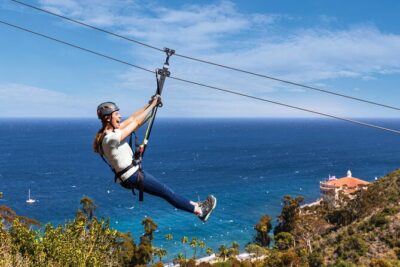
Catalina Express: San Pedro to Avalon One-Way Ferry
Read our review →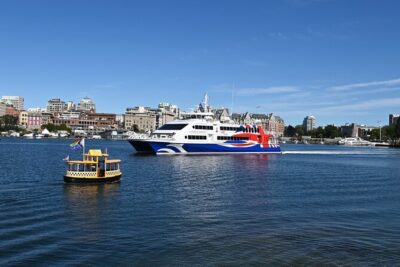
One-Way High-Speed Passenger Ferry: Victoria, BC to Seattle, WA
Read our review →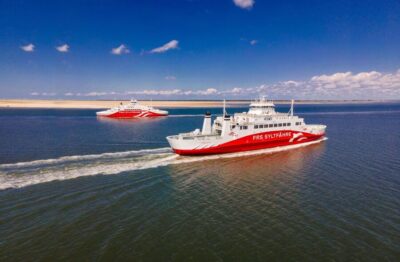
From Rømø: One-Way or Roundtrip Passenger Ferry to Sylt
Read our review →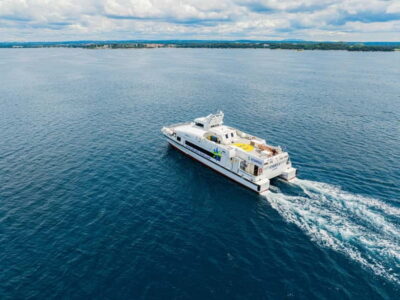
Dubrovnik to/from Kotor: Day Trip or One-Way by Fast Ferry
Read our review →
Macau Sightseeing Day Tour with One-Way Ferry from Hong Kong
Read our review →Find it on these lists